Understanding how a bike fits can be confusing. This is one of the most common questions we get from customers. In this article, we will explore why a properly fitted frame matters and explain what we mean by “made to measure,” a concept that surprises many new customers.
Why is there so much confusion around frame measurements and sizing?
The confusion around frame measurements stems from several interconnected issues in the cycling industry.
Historically, manufacturers used seat tube length as the primary size indicator when frames had “square” geometry; matching seat tube and effective top tube lengths. While that standard has long since disappeared, the industry never fully standardized what replaced it. Today, different brands measure seat tube length differently (center-to-top, center-to-center, or to various points along sloping tubes), making cross-brand comparisons nearly meaningless.
Even when you move beyond seat tube length to effective top tube measurements, geometry variations complicate things further. Two bikes with identical effective top tubes can fit completely differently due to differences in head tube angle, seat tube angle, stack, and reach. A bike with a steep seat tube angle effectively moves you forward relative to the bottom bracket compared to one with a slack angle, fundamentally changing how that top tube length translates to your riding position.
The problem compounds when manufacturers rely heavily on adjustable components—stems, seatposts, handlebars—to make a single frame size work for a wider range of riders. While this reduces manufacturing complexity, it often results in compromised positions. A rider forced onto a too-large frame with a short stem and a slammed saddle, or a too-small frame with excessive spacers and setback, rarely achieves the balanced, efficient position that a properly-sized frame provides.
Are you sure your bike fits you?
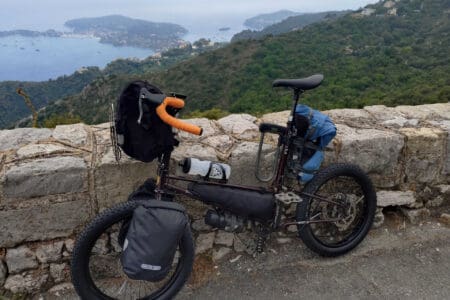
Let us look at why proper fit matters. Walter has spoken to countless riders when they first contact us, including some who have circumnavigated the globe, who tell us of pains, mostly in their back, neck, and knees. Many of these riders have accepted discomfort as just part of the hobby, gritting their teeth and pedaling through the pain. In many cases, proper fitting can eliminate these issues entirely. When asked if they want us to replicate their current frame fit, the response we often hear is, “Hmm, I love my bike, but I am not sure that it even fits me correctly.” On further discussion, this uncertainty usually turns out to be well-founded.
A study by the National Institutes of Health found that “Ergonomic adjustments through bike fitting improve riding experience for a long period of time, and it can contribute to increased cycling adhesion.” Put simply, properly fitted riders felt less fatigued and were more likely to ride more often, a conclusion that makes intuitive sense. When your body isn’t fighting against your bike, cycling becomes sustainable not just for a single ride, but for years to come.
What do we mean by made-to-measure?
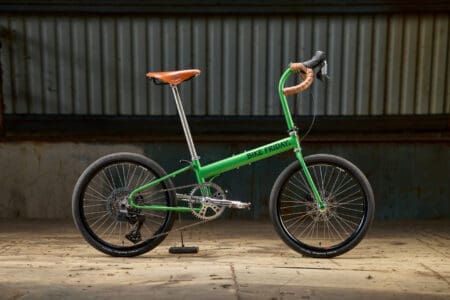
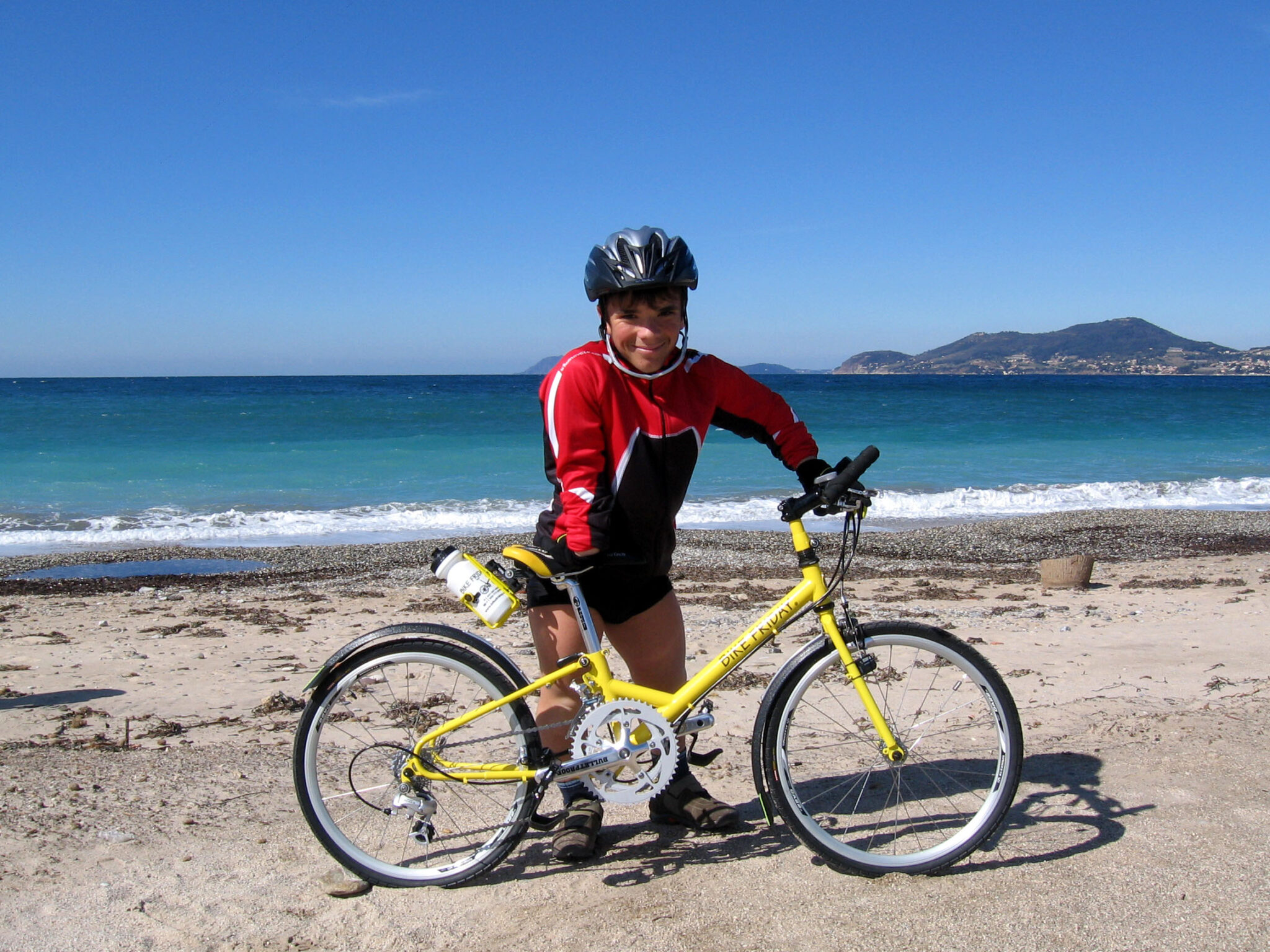
In a world full of bikes that are only a few sizes at Bike Friday we build differently and put comfort and performance as our main priority. We know this requires at least 100 sizing options. Our founders, Alan and Hanz, noticed that the folding bikes were generally one-size models that did not suit most riders and were limited in their capabilities. They were not only unable to accommodate individuals of both short and tall statures, but were also uncomfortable and inefficient for long distances and other biking situations. Alan and Hanz were bike racers and they knew that the key to comfort and performance is a good fit. Knowing this, they set about building a bike that mimicked the proportions of their favorite high performance bikes but could pack away and easily take with them on grand adventures.
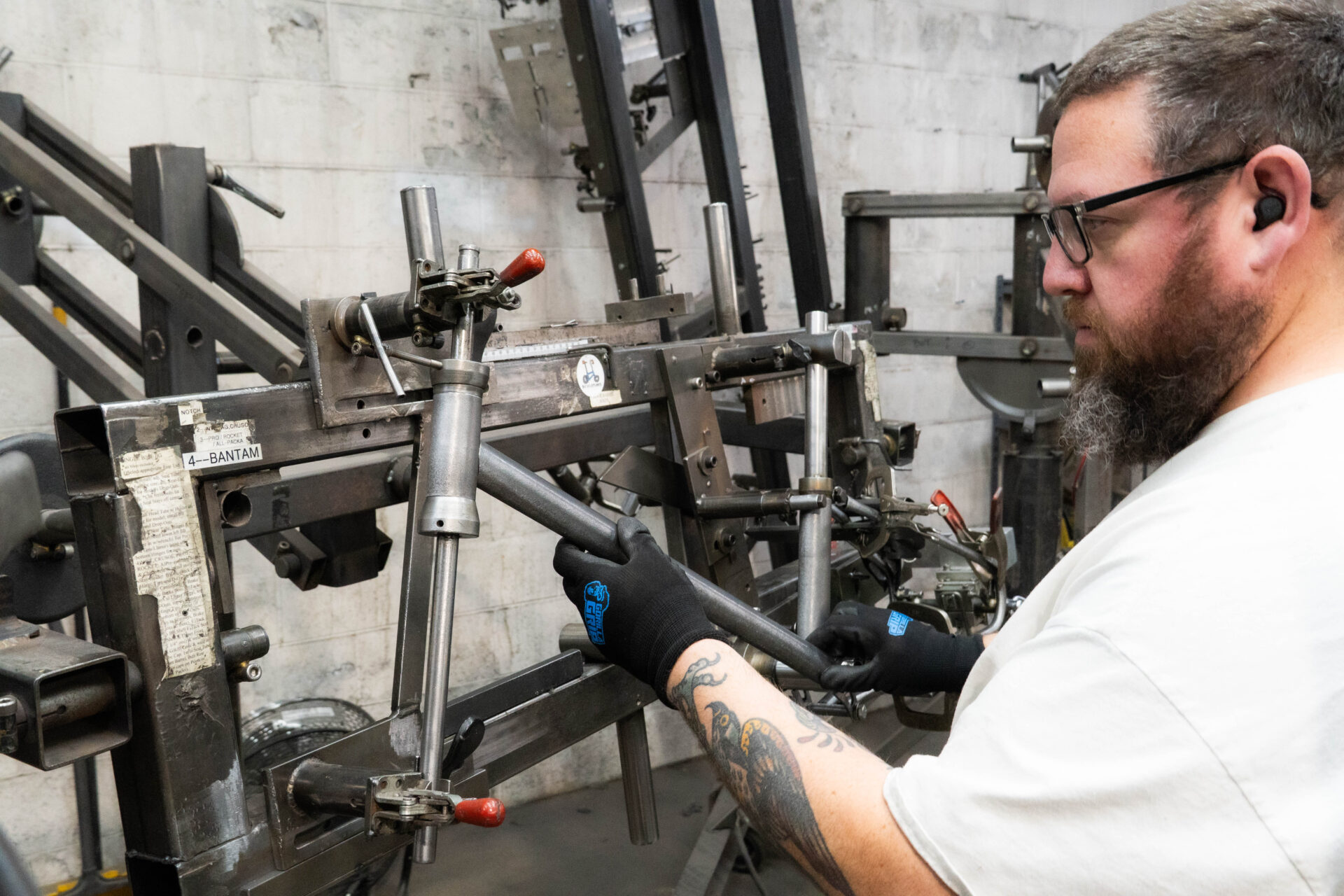
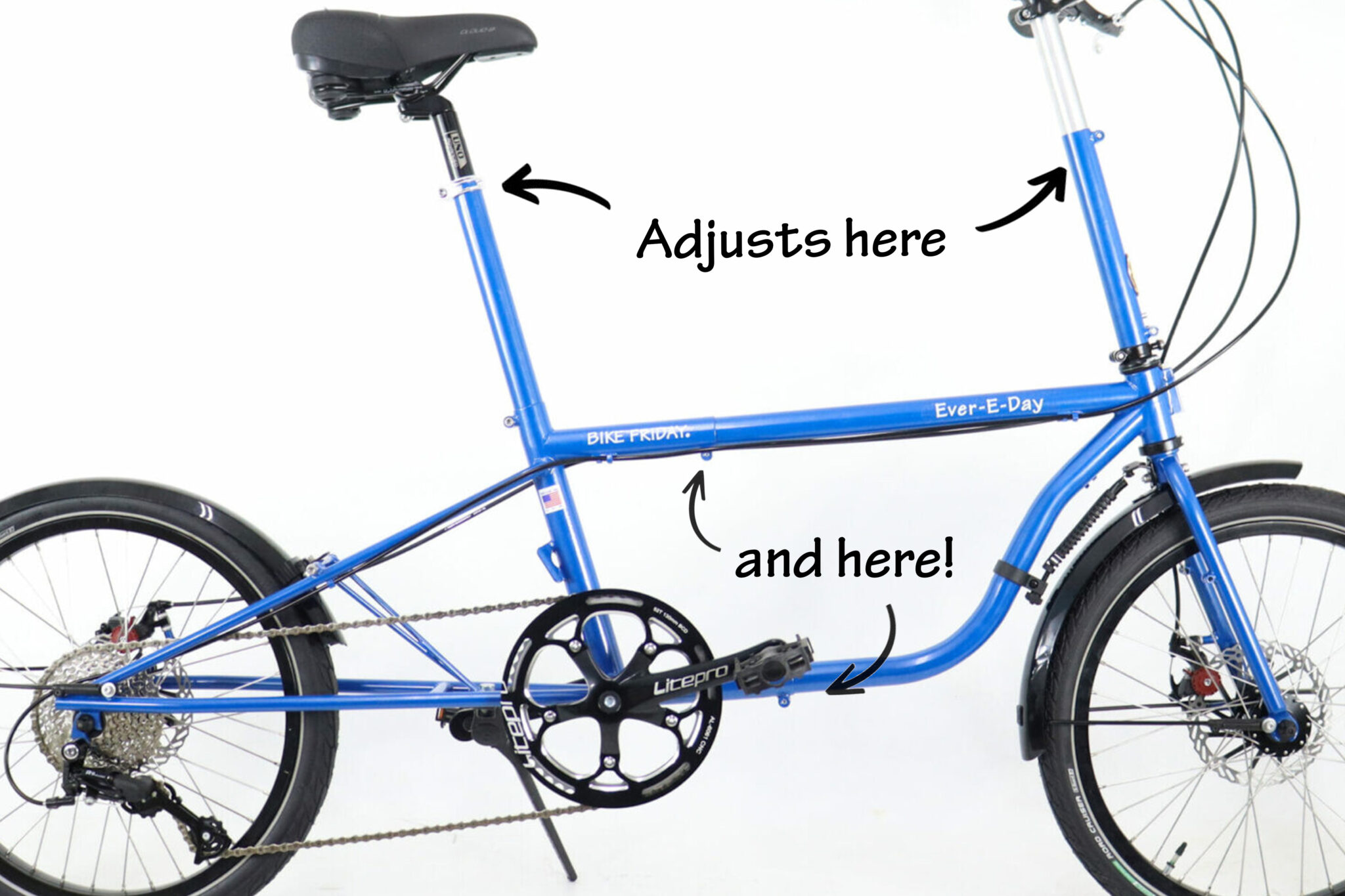
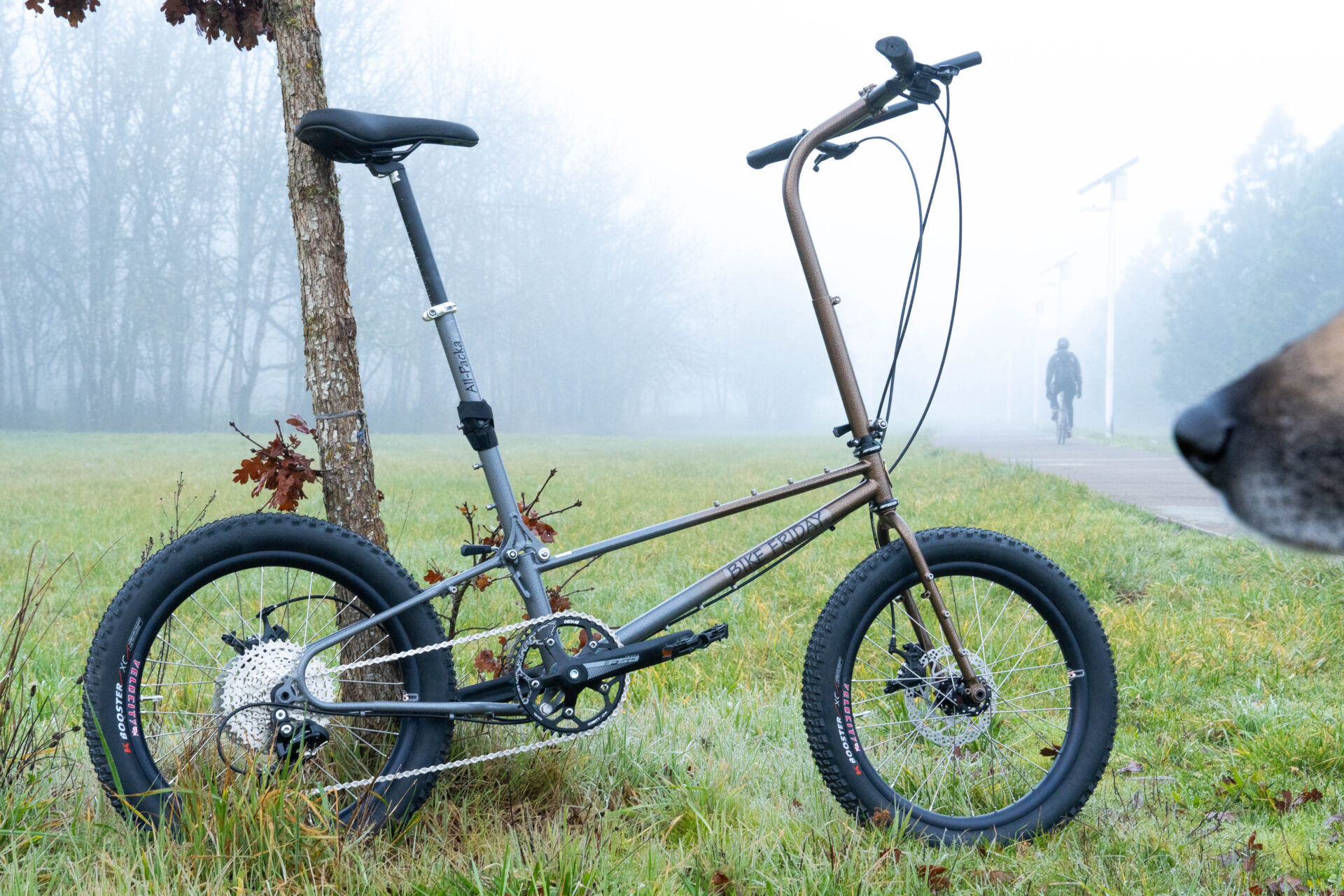
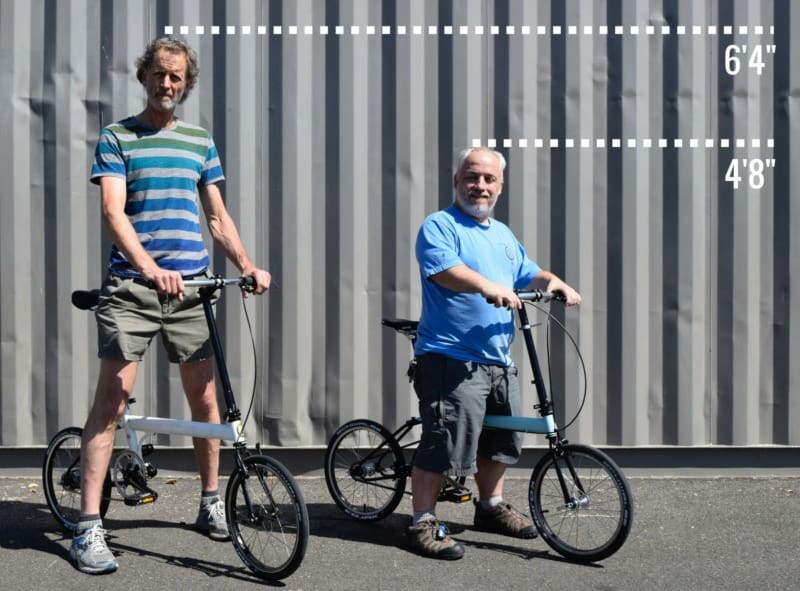
This focus still shapes our approach to bike design and bike building. By adopting a manufacturing process where each bike is built to the customer’s order, we can focus on the rider’s size and riding needs, then we cut, miter and weld the bike to their actual personal proportions. Being a custom process, we can offer 8 main frame sizes, and wide range of seat tube and stem riser lengths as well as heavy rider upgrades for people up to 330lbs. This sizing range is a service rarely seen in bikes priced under ten thousand dollars but we do so in the belief that everyone deserves a bike that fits them. From the start there are two ways we can get the customers personal sizing. The most common is collecting a rider’s basic body measurements (height, inseam, weight, age, and preferred riding style) to calculate the frame fit that will suit them best. However a second options is to take measurements off the customers favorite bike and then build their Bike Friday to match their previous bikes size and position. See our sizing form for reference.
What our Co-Founder, Alan Scholz says about Bike Fit
“A bike that fits properly is one of the 3 main tenets or principles for reaching what I call the Goldilocks Zone of Cycling.
Not everyone sees bicycles as what they truly can be, a true partner of your full physical self realization.
A proper bike, like a pair of glasses, or spectacles if you like, must match the needs of your body. If properly fitted you are a happy cyborg, truly a super human hybrid in the sense of beyond what you can be on your own without that elegant partner. Without a good fitting, glasses can give you a headache and a bike a pain in the butt, literally. You may get there but not comfortably or quickly or sometimes even safely.
You are blessed if you lucked into being a natural on a bike, but likely you originally learned to ride it with your dad’s hand on your back, you deserve and may need a mentor. All of this is just for me to suggest that getting to the cycling Goldilocks Zone is quite worthwhile. And may take a little extra effort at first.
You don’t need a racing bike fitter. 
You need a bike that is close to the right size that was designed so it can be adjusted in all the 6 or 7 ways necessary for you to fit well on it. It needs to be able to be changed in small increments as cycling changes you, and you experiment with small position changes yourself over time. People who are smaller than or larger than the 50 percentile most bikes are sized for, are most at risk for a poor fit. Most bikes in the world are not sized for the “other” 50 percentile of people.
The first tenet of the Goldilocks Zone to being a happy camper on a bike, is to be comfortable. It’s not that imagination that folks often have in their mind of sitting upright on a big cushy saddle. Its actually that comfort of wearing the right clothes to be cool when it’s hot, warm when it’s cold, padded where you need it, and ergonomically balanced on your bike so you can apply the most effort without pain or strain, receive the most speed from that effort, keep up with your friends, be quick and safe while creating one of the best, healthiest and safest neurochemical highs you can do. That is a good day!
Entering the zone when you are young by chance is often the trigger to a life long love of cycling. If you are not fully understanding of what the Zone, or Flow State means in human terms, ask your favorite AI. Or as shared in a famous movie, “I’ll have what she’s having!”.
You can find out the other 2 tenets, of what my life of cycling pursuing that flow state has taught me is the best way to the Goldilocks Zone of Cycling. The article is called “Sweet 16″. Ask the Bike Friday team for it. They want what is best for you. An unused, unloved, and unconnected bicycle is a terrible thing to waste.”
FAQ
How is made-to-measure different from adjusting the fit of a standard bike?
The difference is between optimizing an already proper fit versus trying to fix a fundamental mismatch. Standard bikes pre-built with standard sizing can come with some adjustments – stem length, handlebar height and saddle position, but these adjustments are often used to compensate for a frame that was never the best size for you in the first place. A custom built-for-you bike can still have some fine tuning adjustment options to insure it feels just right, and can adjust if you desire to change riding position for different rides or situations over time.
Do I need a professional bike fit before ordering a made-to-measure bike?
Not necessarily. Many professional fits are designed around road racing positions and may not suit touring riders or those who prefer a more upright, comfortable style. That said, if you have access to a knowledgeable bike shop or fitter who understands your riding goals, their input can be valuable. We work with you directly to determine the geometry that matches both your body and how you actually ride.
Is made-to-measure only for experienced or performance riders?
Not at all. Less experienced riders often benefit the most from proper fit. A bike that fits well from the start improves comfort, confidence, and efficiency, making riding more enjoyable and helping you avoid the strains and injuries that can develop from day one. When your first experiences on a bike are positive rather than painful, you’re far more likely to keep riding.
What if my measurements fall outside standard frame options?
This is exactly where made-to-measure excels. Taller, shorter, or proportionally different riders are often the least well-served by standard sizing. Custom geometry accommodates these differences rather than forcing you into compromises that affect comfort and performance. If you’ve ever been told you’re “between sizes,” a made-to-measure frame eliminates that problem entirely.
Can a made-to-measure bike help prevent injuries?
While no bike can guarantee injury prevention, poor fit is a well-documented contributor to discomfort and overuse injuries. A frame designed to fit you properly reduces unnecessary strain on joints and soft tissue, allowing your body to move more naturally and efficiently. This matters most on longer rides, where small biomechanical issues compound over hours in the saddle. Proper fit won’t make you invulnerable, but it removes one significant risk factor.
Can made-to-measure help if I have physical limitations or past injuries?
Yes. Professional fitters have worked with riders who have fused ankles, limited hip and knee mobility, fused vertebrae, and replacement joints Green Lizard Cycling. Made-to-measure frames can be designed around physical limitations, asymmetries, or past injuries. When necessary, custom components like stems can be fabricated to ensure the bike accommodates your body rather than forcing adaptation.
Will my fit need to change as I age or my fitness level changes?
Your ideal fit can evolve over time. Changes in mobility, flexibility, range of motion, and muscle strength can all shift with age and may require adjustments to your position. New riders often benefit from updating their fit every year or so over the first few years as their flexibility and strength improve with regular riding. A made-to-measure frame provides the right starting point, and standard adjustments like saddle height and stem length allow fine-tuning as you change. We also offer custom stems, seat masts, and a variety of handlebar options to accommodate more significant adjustments when needed.
Additional Resources
“Bike Fit: Optimise Your Bike Position for High Performance and Injury Avoidance”– Phil Burt – Book
“The Phil Burt Innovation YouTube Channel”– Phil Burt – Video Channel
“F.I.S.T. Bike Fit Protocol” – Dan Empfield – Education Protocol / Certification
“Slowtwitch Bike Fit Articles Archive” – Dan Empfield – Articles
“Bike Fit Tuesdays (Road Cycling Academy)” – Neill Stanbury – Video Series
“The Bicycle Fit System” – Paul Swift – Book / Education System
“Medicine of Cycling” – Curtis Cramblett – Clinical Education / Articles
“Serotta International Cycling Institute (SICI) Courses” – Serotta International Cycling Institute – Professional Certification Courses
International Bike Fitting Institute – Professional Standards / Registry